
Blood in cat urine refers to the presence of red blood cells in your cat’s urine, a condition veterinarians call hematuria. Pet owners often notice pink, red, or brown discoloration in the litter box, or they observe their cat straining and producing very little urine. While the amount of blood may appear small, even a slight change can point to irritation, inflammation, or injury within the urinary tract. Cats hide discomfort well, so blood in their urine often serves as one of the first visible clues that something is wrong. When you notice blood in your cat’s urine, prompt veterinary evaluation helps protect their comfort and long-term urinary health.
At Acton Animal Hospital in Acton, MA, our team routinely sees cats with blood in their urine and other changes in litter box habits. These cases range from mild, short‑term irritation to more serious urinary conditions. Understanding what blood in cat urine may indicate helps you recognize when to act and what questions to ask your veterinary team. If your cat shows any signs of blood in its urine, you can call (978) 263‑7477 or request an appointment online to have your cat evaluated.
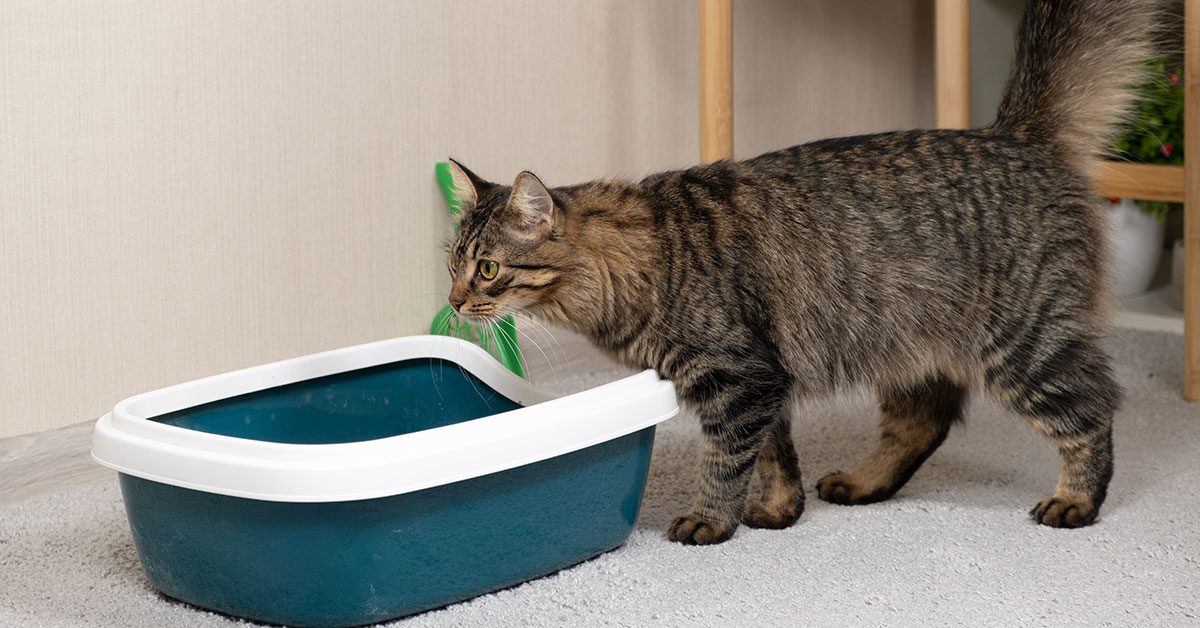
Cat Peeing Blood
When a cat is peeing blood, the underlying issue usually involves the bladder, urethra, kidneys, or surrounding tissues. Some cats pass urine frequently in small amounts, while others vocalize or avoid the litter box altogether. A cat peeing blood does not always appear dramatic, and owners sometimes miss early signs because the litter absorbs color changes. Paying attention to behavior often matters as much as watching the urine itself.
Cats that are peeing blood may also show subtle signs such as:
- Repeated trips to the litter box with little urine produced
- Licking the genital area more often than usual
- Changes in appetite or activity level
- Urinating outside the litter box
Blood in their urine often signals inflammation or damage along the urinary tract. Even when your cat seems comfortable, blood in your cat’s urine should never be ignored. Early evaluation allows your veterinarian to identify contributing factors before complications develop.
What Causes Blood in a Cat’s Urine
Several medical conditions can lead to blood in a cat’s urine. Some causes develop quickly, while others progress over time. Because symptoms overlap, diagnostic testing helps determine the exact reason your cat’s urine contains blood.
Common causes include:
- Urinary tract infections
- Bladder stones or crystals
- Feline idiopathic cystitis (stress‑related bladder inflammation)
- Trauma to the urinary tract
- Tumors affecting the urinary organs
- Kidney disease
Each of these conditions affects the urinary system differently, but all can result in a cat peeing blood. Your veterinarian evaluates your cat’s history, physical exam findings, and lab results to narrow down the source of blood in their urine.
Stress and Feline Idiopathic Cystitis
Stress plays a major role in many cases of blood in a cat’s urine. Feline idiopathic cystitis causes inflammation of the bladder without a clear infectious source. Environmental changes, new pets, schedule shifts, or limited enrichment can contribute to this condition. Cats with this disorder often experience recurring episodes of peeing blood, straining, and discomfort during urination.
Stones and Crystals
Minerals can form crystals or stones within cat urine, irritating the bladder lining or blocking urine flow. This irritation often leads to blood in their urine and painful urination. In some cases, stones may move and worsen symptoms quickly.
Infection and Inflammation
Bacterial infections, although less common in cats than in dogs, can still cause blood in a cat’s urine. Inflammation from infection may cause swelling, discomfort, and changes in urine color and odor.
What Does Blood in Cat Urine Look Like
Blood in cat urine does not always appear bright red. In many cases, the color looks pink, rust‑colored, or brown. Some litter types mask color changes, making detection harder. Clumping litter may show small pink or reddish patches, while non‑clumping litter may look darker than usual.
You may notice:
- Pink or red streaks in cat urine
- Dark brown urine spots
- Tiny blood clots mixed with urine
- Cloudy or unusually strong‑smelling cat urine
Sometimes, the blood is only visible under a microscope. Even when you cannot clearly see blood in their urine, behavior changes can suggest a problem. If your cat strains, cries, or produces very little urine, these signs often accompany them peeing blood.
Is Blood in Cat Urine an Emergency?
Blood in cat urine always deserves prompt veterinary attention, but some situations require immediate care. Male cats face a higher risk of urinary blockage, which can quickly become life‑threatening if not treated.
Seek urgent veterinary care if your cat:
- Cannot pass any urine
- Strains repeatedly with no output
- Cries in pain while attempting to urinate
- Becomes lethargic or vomits
- Has a swollen or firm abdomen
Early evaluation helps prevent progression and reduces discomfort. When in doubt, contacting your veterinary team guides the next steps.
How Veterinarians Evaluate Blood in Cat Urine
When a cat presents with blood in its urine, veterinarians use a combination of history, physical examination, and diagnostic testing. Each step helps clarify why the cat urine contains blood.
Testing may include:
- Urinalysis to assess infection, crystals, and inflammation
- Imaging such as X‑rays or ultrasound
- Bloodwork to evaluate kidney function
- Additional urine testing when needed
These tools allow veterinarians to determine whether a cat peeing blood stems from infection, stones, inflammation, or another condition. Clear diagnosis guides appropriate treatment planning and long‑term management.
Supporting Cats With Urinary Health Concerns
While veterinary care addresses medical causes of blood in cat urine, daily routines also influence urinary comfort. Cats benefit from clean litter boxes, predictable environments, and easy access to fresh water. Stress reduction plays a major role in reducing flare‑ups of feline bladder inflammation.
Helpful habits include:
- Keeping litter boxes clean and accessible
- Providing quiet resting spaces
- Maintaining consistent feeding and play schedules
- Offering multiple water sources throughout the home
These steps do not replace veterinary care, but they support urinary health and comfort alongside professional treatment.
Frequently Asked Questions About Blood in Cat Urine
Can Stress Really Cause Blood in Cat Urine?
Yes—stress can directly cause blood in cat urine. Stress may inflame the bladder lining, leading to feline idiopathic cystitis, even when no infection is present. Cats may show straining, frequent trips to the litter box, and cat peeing blood during flare‑ups.
Can Diet Affect Cat Urine and Bleeding?
Diet influences urine chemistry and stone risk. Certain nutritional patterns can change urine concentration and mineral balance, increasing the likelihood of crystals or stones that irritate the bladder and cause blood in cat urine.
How Quickly Should I Act If I See Blood in Cat Urine?
You should contact your veterinarian as soon as blood appears in your cat’s urine. Early evaluation helps prevent worsening discomfort, urinary blockage, or recurring inflammation, especially in male cats.
Can Blood in Cat Urine Go Away on Its Own?
Symptoms may fade, but the cause often remains. Blood in cat urine usually reflects underlying bladder or urinary tract irritation that benefits from veterinary assessment rather than watchful waiting.
When to Contact Acton Animal Hospital
Blood in a cat’s urine can feel alarming, but timely care often leads to effective management and improved comfort. If you notice blood in your cat’s urine, any changes in litter box habits, or if your cat shows signs of discomfort during urination, our team at Acton Animal Hospital in Acton, MA, is ready to help.
Call (978) 263‑7477 to speak with our team or request an appointment online. Prompt evaluation allows us to identify the cause of your cat’s bloody urine and guide you through the next steps for your cat’s comfort and urinary health.


Recent Posts
About Us
Our veterinarians in Acton, MA bring over 80 years of combined experience and a multitude of services for your pet.