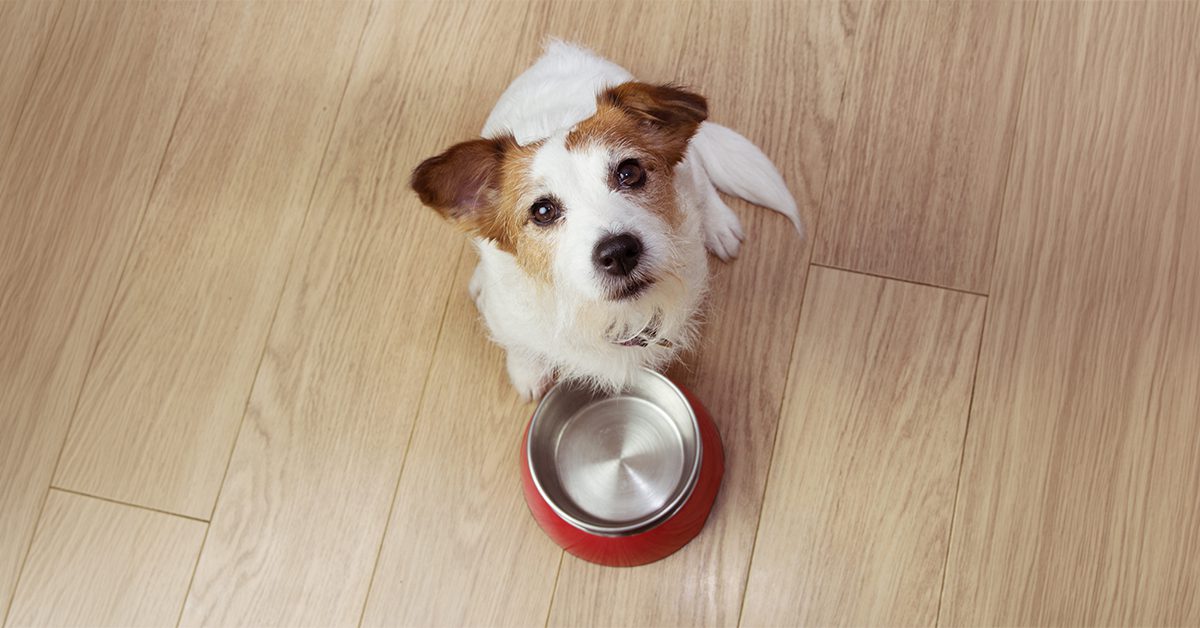
If you keep asking yourself, “Why is my dog always hungry?” the short answer is that a big appetite usually comes from learned behavior, the type or amount of food, or an underlying health condition. Many dogs simply love to eat and have learned that begging pays off, but a sudden or lasting increase in appetite can also point to problems such as diabetes, Cushing’s disease, or intestinal parasites. At Acton Animal Hospital in Acton, MA, pet owners raise this question with our team all the time, and it deserves a thoughtful answer. A dog who finishes dinner in seconds and then stares at you like they haven’t eaten all week might be perfectly healthy, or they might be telling you something important about what’s happening inside their body. In this guide, we explain the most common reasons behind a ravenous appetite, how a dog’s sex and age can influence hunger, and which signs mean it’s time to book an appointment with a veterinarian.
Why Is My Dog Always Hungry Even After Eating?
A dog that acts starved just minutes after a full meal is one of the most common appetite concerns we see. If you find yourself asking “Why is my dog always hungry?” right after dinner, the cause often falls into one of three categories: instinct and habit, diet, or a medical issue.
Instinct and Learned Habits
Dogs descend from scavengers who never knew when their next meal would arrive, so many are wired to eat whatever is available. Some breeds, including Labrador Retrievers, Beagles, and Golden Retrievers, are especially food-motivated. Researchers have even identified a gene variant in some Labradors that affects how full they feel after eating. On top of instinct, dogs are quick learners. If a sad face at the dinner table has earned a bite of chicken before, your dog will keep using that strategy. In these cases, the honest answer to “Why is my dog always hungry even after eating?” may simply be that they’ve figured out begging works.
Diet and Feeding Factors
For some owners, the answer to “Why is my dog always hungry?” sits right in the food bowl. Diets low in protein, fat, or fiber may leave some dogs feeling less satisfied, and feeding amounts that don’t match a dog’s activity level can create a real calorie gap. Changes in routine, such as a new food or a busier exercise schedule, can shift hunger too.
Medical Causes Worth Ruling Out
When a dog’s appetite increases noticeably, your veterinarian may want to look for conditions like these:
- Intestinal parasites that compete for nutrients
- Diabetes mellitus, which prevents the body from using glucose properly
- Exocrine pancreatic insufficiency, which limits digestion and nutrient absorption
- Side effects of certain medications, including steroids
- Malabsorption disorders affecting the intestines
Only a physical exam and diagnostic testing can confirm or rule out these causes.
Why Is My Female Dog Always Hungry?
Hormones have a powerful effect on appetite, so female dogs sometimes show hunger patterns that relate to their reproductive status. If you’re wondering why your dog is always hungry and she’s a female, her life stage may hold the answer.
Pregnancy and Nursing
A pregnant dog needs more calories as her puppies develop, especially during the final weeks of pregnancy. Once the litter arrives, nursing demands even more energy, and many mothers eat far more than usual while producing milk. Because nutritional needs during this period are significant, a veterinarian should guide any diet decisions for a pregnant or nursing dog.
Heat Cycles and False Pregnancy
Some intact females experience appetite changes around their heat cycle. Others go through a false pregnancy, also called pseudopregnancy, where hormonal shifts cause behaviors that mimic pregnancy. Common signs include:
- Nesting behavior, such as gathering blankets or digging in bedding
- Mothering toys or other objects
- Mammary gland enlargement or milk production
- Changes in appetite, restlessness, or mood
Changes After Spaying
Spaying is a healthy choice for most dogs, but it can lower metabolic rate and increase appetite in some females. That combination can lead to weight gain over time if feeding isn’t adjusted, and it explains why many owners start asking “Why is my dog always hungry?” in the months after surgery. Your veterinarian can help you set a realistic calorie target that fits your dog’s new needs. Whether your female dog is intact or spayed, a sudden jump in hunger is still worth discussing with a professional, because the medical causes that affect all dogs can affect her too.
Why Is My Senior Dog Always Hungry?
Older dogs often eat less as they age, so a senior pet with a growing appetite deserves extra attention. When owners ask us, “Why is my dog always hungry now that he’s older?” we usually start by looking for age-related conditions.
Endocrine Disorders in Older Dogs
Cushing’s disease, or hyperadrenocorticism, is one of the most frequent culprits. This condition occurs when the body produces too much cortisol, and it most often affects middle-aged and senior dogs. Along with increased hunger, dogs with Cushing’s may drink and urinate more, develop a pot-bellied appearance, lose hair, or pant heavily. Diabetes also becomes more common with age and can cause a dog to eat more while still losing weight.
Cognitive Changes and Medications
Canine cognitive dysfunction, sometimes compared to dementia in people, can disrupt normal routines. Some senior dogs seem to forget they’ve already eaten, which leads to repeated begging or searching for food. In addition, older pets are more likely to take long-term medications, and some of these can stimulate appetite as a side effect.
Digestive and Absorption Issues
As dogs age, their bodies may absorb nutrients less efficiently. Intestinal disease, pancreatic problems, and certain cancers can all interfere with how the body processes food. A dog who eats more but still loses weight or muscle is showing a pattern that needs prompt veterinary evaluation. Because older dogs can decline quickly, regular senior wellness exams, typically recommended twice a year, help catch these problems early. If you’re asking yourself, “Why is my dog always hungry?” and your companion is seven or older, routine bloodwork is a smart place to start.
When Should You Call the Vet About Your Dog’s Appetite?
Not every hungry dog needs a medical workup, but certain patterns suggest more than a healthy love of food. Knowing the difference helps you act at the right time.
Signs That Need Professional Attention
If you’re asking “Why is my dog always hungry?” and you also notice any of the following, reach out to your veterinarian:
- Weight loss despite eating more food
- Noticeably increased thirst or urination
- Vomiting, diarrhea, or changes in stool appearance
- A sudden appetite change with no clear explanation
- Hair loss, a bloated belly, or a dull coat
- Lethargy, confusion, or other behavior changes
What to Expect at the Appointment
Your veterinarian will likely ask about your dog’s diet, treats, feeding schedule, exercise, and any recent changes at home. Bringing notes on when the increased hunger started and how much your dog eats each day can make the visit more productive. A physical exam is usually the first step, followed by diagnostics such as bloodwork, urinalysis, or a fecal test. Depending on the findings, imaging or more specialized hormone testing may follow.
Once the cause is clear, your veterinary team can recommend a plan tailored to your dog. Sometimes that means a diet change or a feeding strategy, and sometimes it involves managing a chronic condition. Either way, getting answers is far better than guessing. Answering the question “Why is my dog always hungry?” correctly protects your dog’s long-term health and gives you peace of mind.
Get Answers About Your Dog’s Appetite in Acton, MA
Constant hunger can be harmless, but it can also be your dog’s way of signaling a health problem. Since the reasons range from simple habits to hormonal disorders, the best way to understand your dog’s appetite is with a professional evaluation. Our team at Acton Animal Hospital is here to help pet owners in Acton and the surrounding communities sort out what’s normal and what isn’t. We’ll listen to your concerns, examine your dog thoroughly, and recommend appropriate diagnostics when needed. Whether you have a growing puppy, a new mom, or a gray-muzzled senior, we can help you answer “Why is my dog always hungry?” and decide what comes next. If your dog’s eating habits have changed or you have questions about their weight, call Acton Animal Hospital at (978) 263-7477 to schedule an appointment. Your dog’s appetite tells a story, and we’re happy to help you read it.


Recent Posts
About Us
Our veterinarians in Acton, MA bring over 80 years of combined experience and a multitude of services for your pet.