A dog ear yeast infection is one of the most common ear problems veterinarians treat and one of the most uncomfortable for your dog. If your pup has been shaking their head, scratching at their ears, or you’ve noticed a funky smell coming from their ear canal, a yeast infection could be the culprit. At Acton Animal Hospital in Acton, MA, our veterinary team sees dog ear yeast infections, and we want to help you understand what’s happening, what to look for, and when it’s time to come in. Keep reading because the sooner a dog ear yeast infection is caught and treated, the sooner your dog gets relief.
What Is a Yeast Infection in Dog Ears?
Yeast is a type of fungus that naturally lives on your dog’s skin in small amounts. Under the right conditions such as warmth, moisture, and disrupted skin barriers yeast can multiply rapidly and cause an infection. The ear canal is a prime environment for this overgrowth, especially in dogs with floppy ears, allergies, or a history of ear problems.
The most common yeast responsible for dog ear yeast infections is Malassezia pachydermatis. It’s a normal resident of canine skin, but when the balance tips, it becomes a problem. Yeast infections in dog ears are not contagious to other pets or people, but they do require veterinary treatment to resolve fully.
Is It Yeast or Bacteria?
Dog ear infections can be caused by yeast, bacteria, or both at the same time. This is why it’s so important to have your dog examined by a veterinarian rather than guessing at the cause. A yeast infection in a dog’s ear looks and smells different from a bacterial infection, but they can overlap. Your vet will examine a sample from the ear canal under a microscope to determine exactly what’s present and prescribe the right treatment.
Signs of a Dog Ear Yeast Infection
Knowing what to look for can help you act quickly. A dog ear yeast infection typically produces a distinctive set of symptoms that are hard to miss once you know what you’re looking for. Many pet owners describe their dog’s ears as smelling like corn chips or bread and that yeasty odor is a hallmark sign.
Common signs of a yeast infection in dog ears include:
- Head shaking or tilting: Your dog may frequently shake their head or tilt it to one side to relieve discomfort.
- Scratching at the ear: Persistent pawing or scratching at one or both ears is a key indicator.
- Redness and swelling inside the ear: The ear canal may appear inflamed, warm to the touch, or visibly irritated.
- Dark, waxy, or greasy discharge: A brownish or black discharge is common with dog ear yeast infections.
- Strong, musty odor: The yeasty smell coming from the ear is often the first thing pet owners notice.
- Crusting or scaling around the ear opening: Dried discharge can accumulate at the base of the ear canal.
If your dog is showing any of these signs, scheduling a veterinary visit is the best next step. Trying to manage symptoms at home without a proper diagnosis can allow the infection to worsen or spread.
What Causes Yeast Infections in Dog Ears?
Dog ear yeast infections don’t usually happen out of nowhere. In most cases, there’s an underlying factor that tips the balance and allows yeast to overgrow. Identifying that root cause is a critical part of treatment and of preventing the infection from coming back.
Allergies
Allergies are one of the most common reasons dogs develop recurring yeast ear infections. Environmental allergies (like pollen, dust mites, or mold) and food allergies can both cause inflammation in the ear canal, disrupting the skin’s natural defenses and creating an ideal environment for yeast to thrive. If your dog gets frequent ear infections, your veterinarian at Acton Animal Hospital may recommend a dietary trial to identify the trigger.
Moisture and Anatomy
Dogs with floppy, heavy ears like Basset Hounds, Cocker Spaniels, Labrador Retrievers, and Golden Retrievers are more prone to dog ear yeast infections because their ear flaps trap warmth and moisture. Dogs that swim frequently or are bathed often may also be at higher risk if their ears don’t dry out properly after getting wet.
Other Contributing Factors
Several other conditions can make a dog more susceptible to ear yeast infections, including:
- Hormonal imbalances: Hypothyroidism and Cushing’s disease can alter skin health and immune function.
- Immune system disorders: A compromised immune response can allow yeast to overgrow unchecked.
- Overuse of antibiotics: Antibiotics can disrupt the natural microbial balance, sometimes allowing yeast to flourish.
- Foreign objects in the ear: Grass seeds, debris, or other foreign material can irritate the ear canal and contribute to infection.
How Do Vets Diagnose a Dog Ear Yeast Infection?
If you bring your dog to Acton Animal Hospital with ear discomfort, your veterinarian will start with a thorough physical exam. Diagnosing a yeast infection in a dog’s ear involves several steps to ensure an accurate picture of what’s happening.
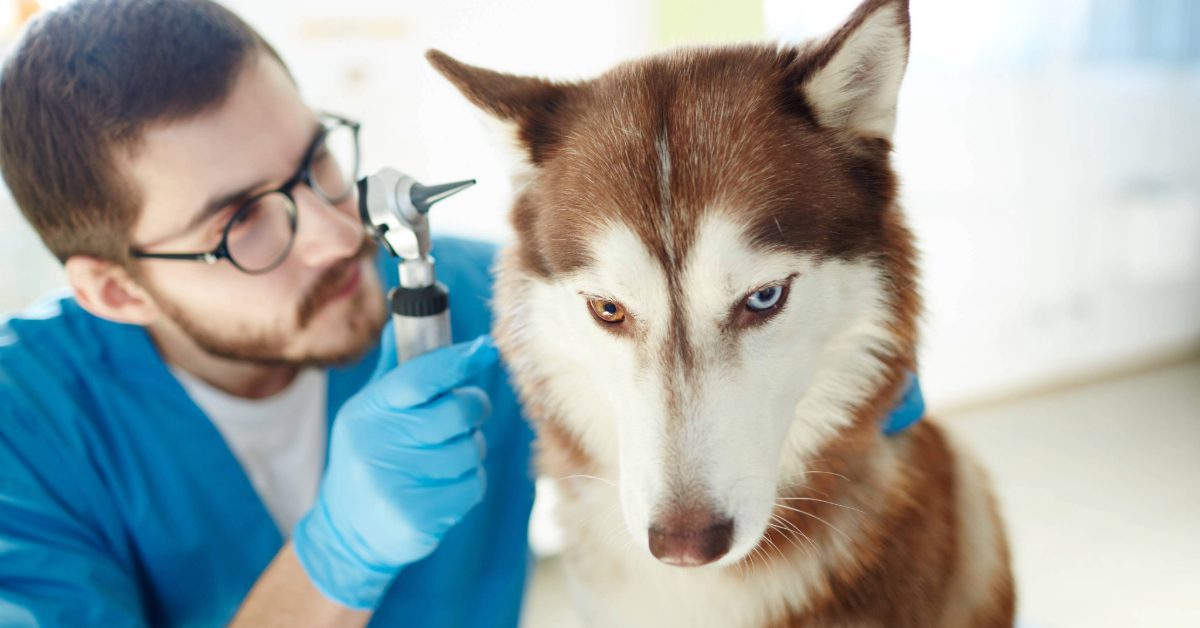
Your vet will gently examine the outer ear and use an otoscope to look inside the ear canal. A swab of the discharge may be collected and examined under a microscope. This is called cytology, and it allows the vet to identify the type of organism present (yeast, bacteria, or both) and guide the most effective treatment.
Is There Pain During the Exam?
Dogs with ear infections are often in significant discomfort, so the examination is done as gently as possible. If your dog is very painful or the ear canal is severely inflamed, your veterinarian may recommend mild sedation to allow a thorough and comfortable examination. Don’t worry, our team at Acton Animal Hospital prioritizes your dog’s comfort and safety throughout every visit.
How Are Yeast Ear Infections in Dogs Treated?
Treatment for a dog ear yeast infection depends on the severity of the infection and whether there are any underlying conditions contributing to it. Your veterinarian will develop a treatment plan tailored specifically to your dog.
Typical treatment approaches may include:
- Prescription antifungal ear drops or ointments: Topical medications applied directly to the ear canal are the most common treatment for yeast ear infections in dogs.
- Professional ear cleaning: Your vet may perform an in-clinic ear flush to remove debris and discharge before medication is applied.
- Oral antifungal medications: In more severe or widespread cases, systemic medication may be needed alongside topical treatment.
- Addressing underlying causes: If allergies or another condition is identified as the root cause, treating that issue is essential to long-term success.
Never use over-the-counter products or home remedies in your dog’s ear without veterinary guidance. The ear canal is delicate, and the wrong product can cause further irritation or damage, especially if the eardrum is compromised. Always follow your vet’s instructions and complete the full course of treatment, even if your dog seems to be feeling better before it’s finished.
Can a Dog Ear Yeast Infection Come Back?
Yes, and this is one of the most frustrating aspects of dog ear yeast infections for pet owners. If an underlying cause like allergies or a hormonal disorder isn’t addressed, yeast infections are likely to recur. Some dogs are simply more prone to them due to their breed, anatomy, or immune function.
The good news is that with consistent veterinary care and a proactive management plan, recurring yeast ear infections in dogs can often be controlled. Your veterinarian at Acton Animal Hospital can help you develop a routine that includes appropriate ear maintenance, allergy management, and regular check-ups to catch any early signs of recurrence.
When to See a Vet for a Dog Ear Yeast Infection
If you notice any of the signs of a yeast infection in your dog’s ear, don’t wait to see if it clears on its own. Ear infections in dogs rarely resolve without treatment and tend to worsen over time. Left untreated, a dog ear yeast infection can progress deeper into the ear canal, potentially affecting the middle or inner ear, which can lead to hearing loss, balance problems, and serious pain.
Contact Acton Animal Hospital right away if your dog is showing signs of an ear infection, especially if they are in obvious pain, their ear is significantly swollen, or you notice neurological signs like stumbling or a head tilt. Our team is here to help your dog feel comfortable and healthy again. Call us at 978-263-7477 or book an appointment online. Your pup doesn’t have to suffer through this.


Recent Posts
About Us
Our veterinarians in Acton, MA bring over 80 years of combined experience and a multitude of services for your pet.