Treatments for kennel cough range, depending on how sick your dog is and what’s causing the infection. If your dog has developed a harsh, hacking cough that sounds almost like something is stuck in their throat, kennel cough is likely at the top of your vet’s list of suspects. It’s one of the most common respiratory illnesses in dogs, and while it’s often mild, it can become serious without proper care. At Acton Animal Hospital in Acton, MA, our veterinary team is here to help you understand what it is, how it’s treated, and when it’s time to come in. This blog is a complete guide to kennel cough treatment in dogs.
What Is Kennel Cough?
Kennel cough, medically known as infectious tracheobronchitis, is a highly contagious respiratory illness in dogs. It causes inflammation of the trachea and bronchi, producing the characteristic cough that gives the condition its name. Kennel cough spreads easily in places where dogs congregate like boarding facilities, dog parks, grooming salons, training classes, and veterinary waiting rooms.
Despite its name, a dog doesn’t need to have been in a kennel to develop kennel cough. Any dog that interacts with other dogs can be exposed. The illness is caused by a combination of pathogens, most commonly the bacterium Bordetella bronchiseptica, canine parainfluenza virus, canine adenovirus, and other organisms working together to infect the respiratory tract.
What Does Kennel Cough Sound Like?
The hallmark sound of kennel cough in dogs is a loud, forceful, goose-honking cough that may be followed by retching or gagging. Some people describe it as a honking sound, and it often seems worse with excitement, exercise, or pressure on the throat from a collar. The cough can be startling to hear, but the characteristic honk is usually a strong indicator of kennel cough rather than another respiratory condition.
Signs and Symptoms of Kennel Cough in Dogs
Beyond the distinctive cough, kennel cough can cause a range of symptoms that vary in severity. In mild cases, a dog may seem completely normal aside from the cough. In more severe cases, the illness can develop into pneumonia.
Common symptoms of kennel cough in dogs include:
- Persistent, forceful coughing: The cough is often the most noticeable symptom and can last for one to three weeks.
- Retching or gagging after coughing: Many dogs will gag or bring up a small amount of white, foamy mucus after a coughing episode.
- Runny nose: Nasal discharge is common with kennel cough, particularly in the early stages.
- Watery eyes: Mild eye discharge may accompany the respiratory symptoms.
- Low-grade fever: Some dogs develop a slight fever, though this is not always present.
- Lethargy and reduced appetite: In more significant infections, dogs may seem tired, less interested in food, or generally off.
If your dog’s symptoms include high fever, labored breathing, extreme lethargy, or complete loss of appetite, contact Acton Animal Hospital immediately. These can be signs of kennel cough progressing to pneumonia, which is a serious complication.
How Is Kennel Cough Diagnosed?
Diagnosing kennel cough typically begins with a thorough physical examination and a review of your dog’s recent history. Your veterinarian will ask about recent boarding, grooming, dog park visits, or contact with other dogs. The characteristic cough, combined with this exposure history, often points clearly toward kennel cough.
In some cases, your veterinarian may recommend additional diagnostics, especially if the illness seems severe or is not improving as expected. Testing may include chest X-rays to evaluate the lungs, a tracheal wash or swab to culture and identify the specific organisms involved, or blood work to assess your dog’s overall health. These tests help guide kennel cough treatment decisions and rule out other respiratory conditions.
Could It Be Something Other Than Kennel Cough?
Yes. Several other conditions can cause a cough in dogs, including heart disease, collapsing trachea, fungal infections, influenza, canine distemper, and foreign bodies in the airway. This is one reason why a veterinary examination is so important. Our veterinary team at Acton Animal Hospital will ensure your dog receives an accurate diagnosis before any treatment for kennel cough is started.
What Are the Treatments for Kennel Cough in Dogs?
Treatment depends on the severity of your dog’s illness. Kennel cough treatment in dogs falls into several categories: supportive care, medications, and management of secondary infections or complications.
Rest and Supportive Care
In mild cases of kennel cough, the primary treatment is rest. Dogs with kennel cough should avoid strenuous exercise, excitement, and cold air, all of which can trigger and worsen coughing. Using a harness instead of a collar can also reduce irritation to the trachea during walks. Many mild kennel cough cases resolve on their own within one to three weeks with supportive care alone.
Antibiotics for Kennel Cough
When a bacterial component like Bordetella bronchiseptica is confirmed or strongly suspected, your veterinarian may prescribe antibiotics. Antibiotics don’t cure the viral elements of kennel cough, but they are an important kennel cough treatment for reducing bacterial load, shortening the duration of illness, and preventing secondary infections like pneumonia. Common antibiotics prescribed for kennel cough in dogs include doxycycline and trimethoprim-sulfamethoxazole, though your vet will choose the most appropriate option for your dog.
Cough Suppressants
In some cases, your veterinarian may prescribe a cough suppressant as part of kennel cough treatment to reduce the frequency and discomfort of coughing. This is typically used in dogs with a mild infection whose cough is disruptive but who don’t have productive coughs that need to be cleared. Cough suppressants are not appropriate for all cases, so this is a decision your vet will make based on your dog’s specific symptoms.
Bronchodilators and Anti-Inflammatory Medications
Some dogs benefit from bronchodilators, which open the airways and make breathing easier, or from anti-inflammatory medications to reduce irritation in the trachea and bronchi. These treatments for kennel cough are more commonly used when the infection is moderate to severe or when there is significant airway inflammation. Your veterinarian will determine whether these medications are appropriate for your dog’s case.
Treatment for Kennel Cough Pneumonia
If kennel cough progresses to pneumonia, treatment becomes significantly more aggressive. Dogs with pneumonia may require hospitalization, IV fluids, oxygen therapy, and intensive antibiotic therapy. Kennel cough pneumonia is most common in very young dogs, senior dogs, immunocompromised dogs, and brachycephalic breeds. If your dog falls into any of these categories and develops kennel cough, contact Acton Animal Hospital promptly so we can monitor their progress closely.
How Long Does Kennel Cough Last?
Most dogs with uncomplicated kennel cough recover fully within one to three weeks with appropriate treatment. Puppies, senior dogs, and immunocompromised dogs may take longer to recover, and these patients are at higher risk for complications. During the recovery period, it’s important to keep your dog away from other dogs to prevent spreading the infection.
Even after your dog stops coughing, they may remain contagious for several weeks. Follow your veterinarian’s guidance on when it’s safe to return to normal social activities like dog parks and boarding facilities.
Can Kennel Cough Be Prevented?
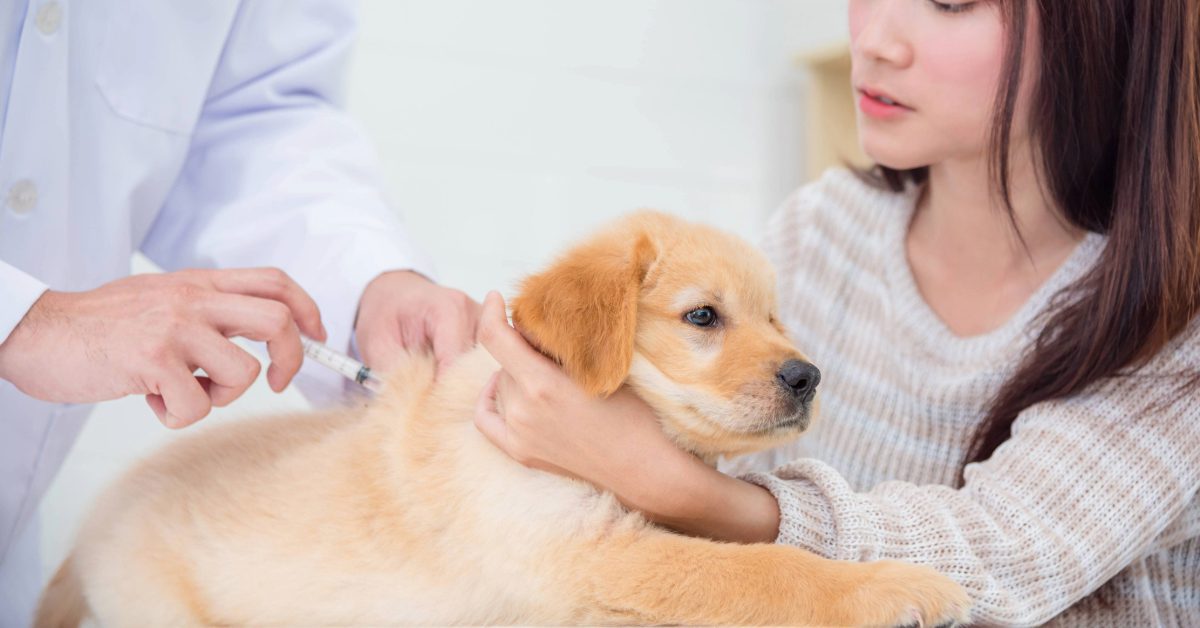
Yes, and vaccination is the most effective tool available. The Bordetella vaccine is available as an injectable, intranasal, or oral form, and it’s one of the most commonly recommended vaccines for dogs with any degree of social exposure. The vaccine doesn’t provide 100% protection against all strains of kennel cough, but it significantly reduces the severity and duration of illness if your dog is exposed.
Vaccines that can help protect against kennel cough include:
- Bordetella vaccine: Directly targets the primary bacterial cause of kennel cough and is often required by boarding facilities and groomers.
- Canine parainfluenza vaccine: Often included in combination vaccines (DHPP), this helps protect against one of the viral contributors to kennel cough.
- Canine influenza vaccine: Protects against canine influenza strains H3N8 and H3N2, which can contribute to respiratory illness in dogs.
Talk with your veterinarian at Acton Animal Hospital about which vaccines are most appropriate for your dog’s lifestyle and risk level. Our team can help you build a vaccination schedule that gives your dog the best protection possible.
Getting Your Coughing Dog the Care They Need
Treatments for kennel cough work best when they’re started early and tailored to your individual dog. A dog that is only mildly affected needs a very different approach than one heading toward pneumonia. That’s why a veterinary exam is always the right first step. If your dog has developed a persistent cough or other signs of respiratory illness, contact Acton Animal Hospital in Acton, MA. Our team is ready to help you get to the bottom of what’s going on and get your dog on the path to feeling better as quickly as possible. Call us at 978-263-7477 or book your appointment online today.


Recent Posts
About Us
Our veterinarians in Acton, MA bring over 80 years of combined experience and a multitude of services for your pet.